When a home is buried in clutter, the first instinct is to take drastic action. Hire a crew and throw everything away. Such a rapid removal of items is known as a forced clearance. On the surface, a forced cleanout seems like a logical solution. Because the property looks completely clean within a few short hours. But this sudden action is actually the worst possible choice.
Clinical studies clearly show that forced clearances almost always fail. These drastic interventions cannot fix the underlying issue at all. Instead, they cause severe psychological damage to the person involved. We must understand the neurobiology of hoarding disorder to support doing better.
The Brain Under Severe Threat
Removing junk is just a job for a standard cleaning crew. But, to the person living there, it feels completely different. Their brain does not view the clearance as something helpful. Their brain reacts to it as a catastrophic threat to their survival. Deep inside the brain is a fear-processing center called the amygdala.
When a clearance begins, the amygdala triggers a massive panic response. The person enters an extreme state of fight or freeze. Their nervous system becomes entirely overwhelmed by the sudden loss they have to watch happen. In such a moment, rational thinking is completely impossible.
Objects as Emotional Safety Blankets
Hoarding is a complex response to past trauma or severe life changes. Individuals form profound emotional attachments to their collected objects over time. These items act as physical safety signals in a scary environment. The objects create a protective wall against deep psychological pain.
When an uninvited crew strips these items away, the emotional shield breaks. The person is left entirely exposed to their hidden fears. And they end up losing their only reliable method to manage emotional distress. This sudden deprivation forces a dramatic shift in their brain chemistry. Resulting in an acute state of despair and agony.
The Trauma of Losing Oneself
Many individuals view their hoarded possessions as physical extensions of their identity. The items hold precious memories and act as a buffer against abandonment. Survivors of forced clearances almost always describe the event as a severe trauma. They feel completely powerless against the people removing their property.
Many describe the loss of belongings as a form of identity death. They feel like a vital part of themselves has been amputated. Because hoarding is a coping mechanism, the clearance adds a new trauma. The intervention causes fresh injury on top of their existing pain.
The Total Destruction of Trust
A surprise cleanout shatters any remaining trust with the outside world. The individual feels their mental health struggles have been criminalized. They view landlords and family members as attackers rather than supporters. This deep betrayal creates a lasting sense of extreme distrust.
They will aggressively reject any future professional support or therapeutic engagement. They will refuse to answer the door or respond to phone calls. The relationship between the tenant and the property manager turns hostile. This massive breakdown in communication makes future problem-solving almost impossible.
The Inevitable Boomerang Effect
The most dangerous part of a forced clearance happens after the cleaners leave. Deprived of their physical safety net, the person enters a chronic state of panic. Their brain demands that they recreate their protective barrier quickly. This intense psychological need leads to a massive rebound effect.
Without specialized hoarding disorder support, a rapid relapse is gonna happen most likely. The individual will rebuild their hoard this time much quicker than before. Within a few months, their environment is gonna turn chaotic again. The new mess is often more hazardous than the original baseline.
Making the Disorder Permanent
Forced clearances make the underlying condition worse. The trauma of the rapid cleanout reinforces the habit of hoarding. The person resorts to seeing the outside world as cruel and unsafe. This neurologically hardwires the disorder into their brain for much longer.
Professional hoarding cleanup companies must understand this. A quick removal service guarantees that the tenant will hoard again soon. Trapping the landlord and the tenant in an endless and expensive cycle. Repeat cleanups will lead to repeat failures and result in permanent eviction.
The Failure of Standard Cleaning
If you only remove the physical mess, you ignore the actual root cause. Standard cleaning crews only focus on clearing floors and scrubbing down surfaces. They cannot manage the intense panic that arises when a safety blanket is removed. Hiring a standard crew for this task is a massive waste of resources. The clear floors will completely vanish after some time.
Treating the Mind Before the Room
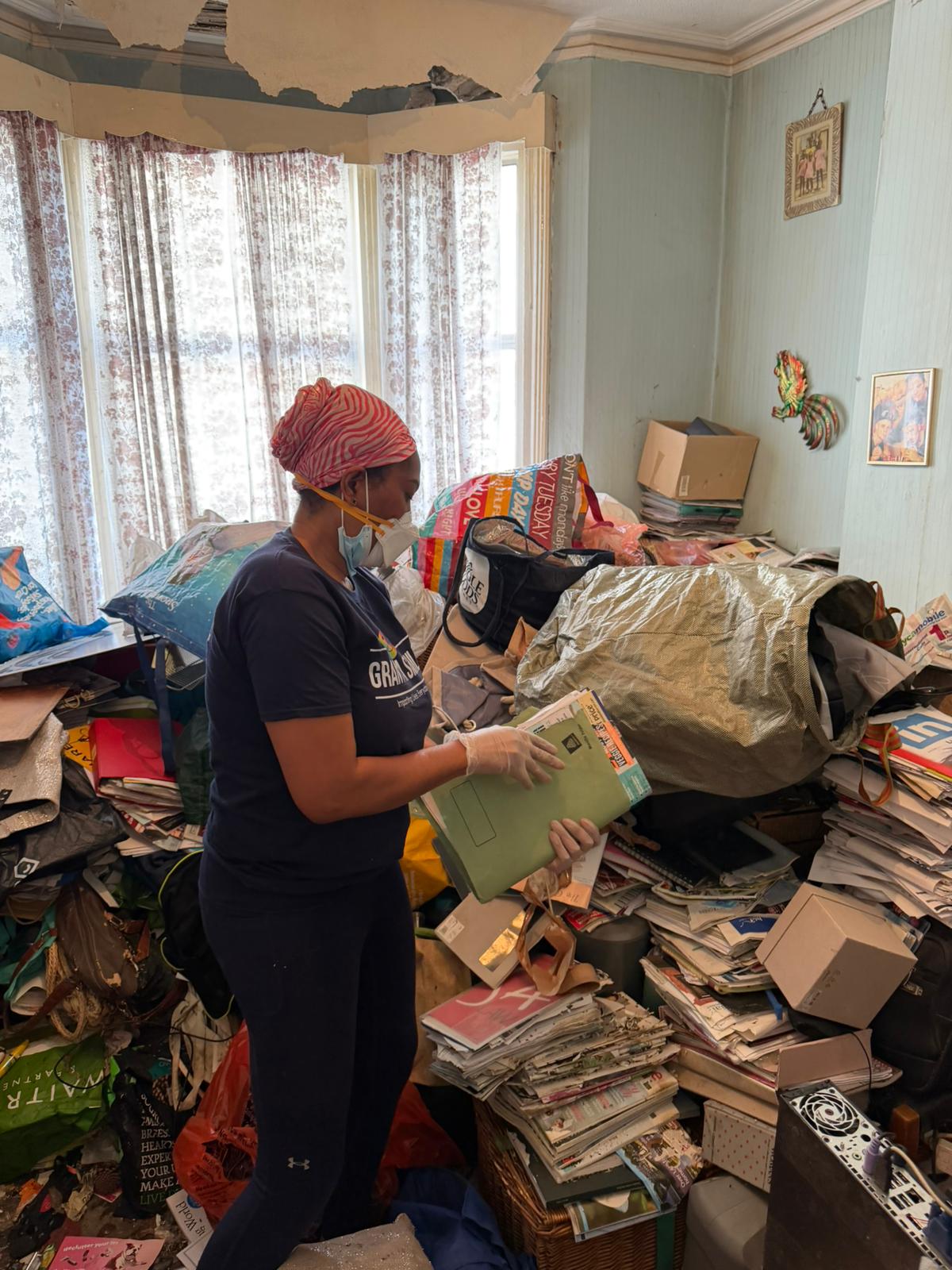
True recovery requires a professional approach that treats the person with deep respect. A specialist hoarding cleaning team understands the complexity of situations involving clutter. To them, patience and guidance are essential for success. The cleaning process must happen alongside proper psychological support and careful planning.
The person must feel safe before any items are removed. This slow pacing prevents the amygdala from triggering a panic response. It keeps the nervous system calm and allows for rational decision-making. This method treats the human being first, instead of the room.
The Power of Gentle Intervention
A compassionate approach builds the necessary trust required. Professionals work closely with the individual to sort through items safely. They help the person find better ways to manage their emotional distress. This supportive method avoids the boomerang effect.
When the person feels respected, they are much less likely to hoard unhealthily again. They learn to feel secure in their home without the coping mechanism. This is the only proven method to create a lasting change.
Stopping the Cycle for Good
We must stop treating extreme clutter as an issue of poor hygiene. It is a complex neurobiological condition that requires a highly specialized response. Forced clearances only create fresh pain and guarantee a rapid return to squalor.
We must embrace compassionate methods that heal the mind and the home together. With the right professional help, a safe and lasting recovery is always possible.
Reach Out for Professional Help Today
If you are facing an extreme clutter situation, you don’t have to be alone. Our team provides the compassionate care needed to break this difficult cycle. We pair safe cleaning strategies with emotional support to prevent a painful relapse.
Learn more about our mission by visiting our website. For business needs, check out our commercial cleaning services.
Contact us today to get help right away.