When families discover a highly cluttered home, they often panic. Their first instinct is usually to order a complete cleanout. Throwing everything away to fix the problem. This approach might seem like a quick and easy solution. However, forcing someone to clear their space can cause severe consequences.
Standard extreme cleaning services often focus only on the mess in front of them. Ignoring complex mental health struggles that are always present behind the clutter. A forced cleanout is traumatizing for the person involved. It can break their trust and cause a relapse. We must use a better approach to provide true hoarding help. Harm reduction focuses on safety first. This method protects lives while respecting the person’s mental state.
The Illusion of a Perfect Room
One might think that getting a perfectly clean room by removing all the clutter will solve all the problems. But this mindset completely ignores how trauma and mental health actually work. Because, for many individuals, their possessions act as a safety blanket. And, removing these items without their consent is like a personal attack. The person will experience fear and emotional pain.
A trauma-informed cleaning process should never create new wounds. If strangers throw away someone’s cherished items, their emotional damage is going to be massive. Their home might look spotless, but the person is left suffering. This creates an unsafe environment for their ongoing mental recovery.
Why Forced Cleanouts Guarantee Relapse
Forced cleanouts never solve the root cause. You remove the physical items, but the deep emotional need still remains. The person will rebuild the mess to feel safe again. Clinical experts agree that demanding total clearance is a failed strategy. The clutter will return quickly, maybe much worse than before.
This cycle wastes a lot of time and energy. Family members end up frustrated when the home fills up once more. The individual feels a deep sense of shame and isolation. Which is why we need a strategy that breaks this painful cycle of failure. Lasting change requires ongoing support instead of aggressive removal of trash.
Understanding the Harm Reduction Approach
Harm reduction offers a kinder alternative to forced cleanout. It accepts that clearing everything right away is counterintuitive. Instead of fighting about the mess, we focus on safety. We can adjust the living environment to remove the biggest dangers first and move on to smaller ones gradually. In contrast to demanding the total removal of the person’s valued belongings.
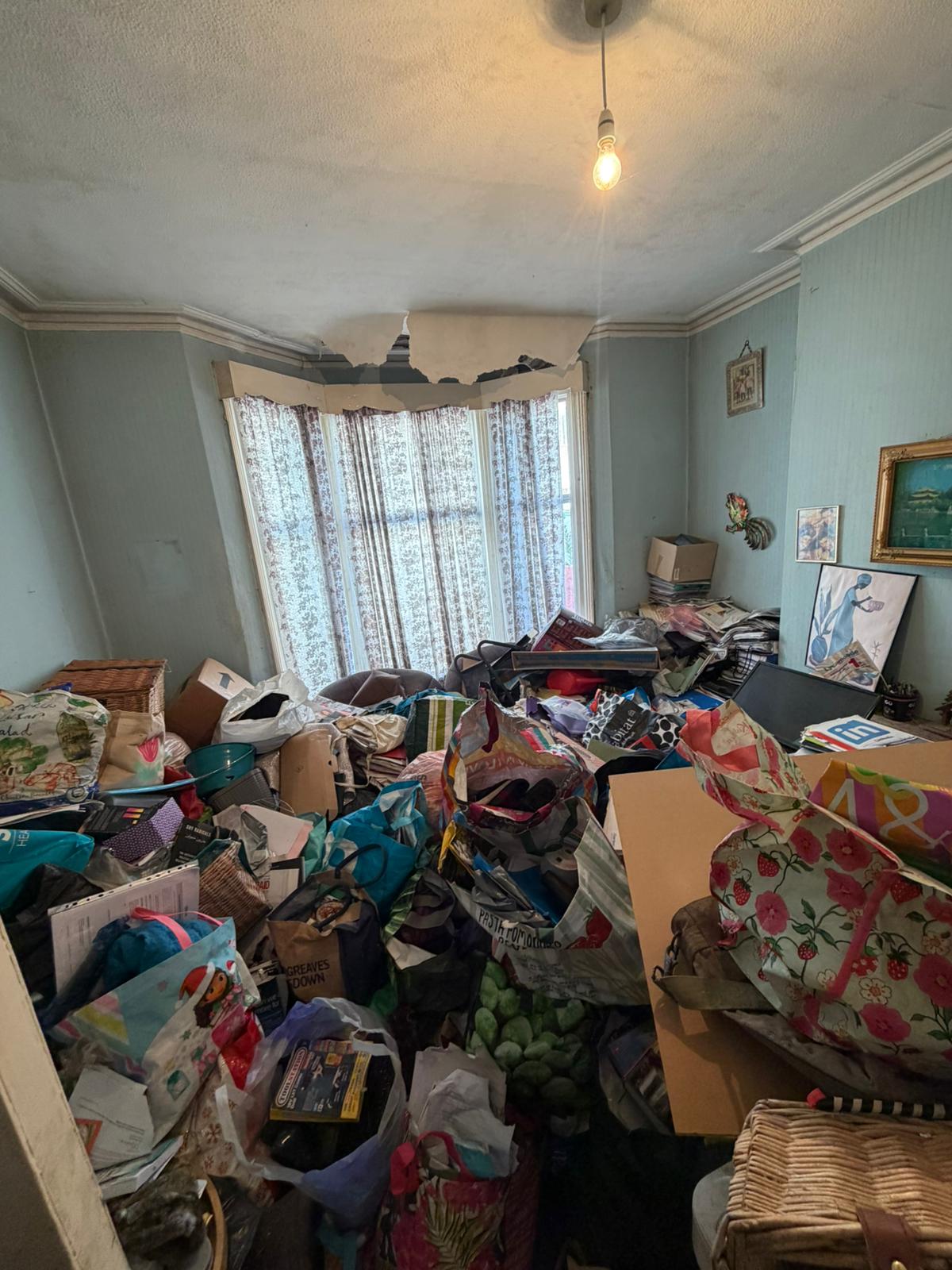
This method provides an effective way to manage extreme hoarding situations. It builds a foundation of trust between the cleaners and the occupant. A non-judgmental service respects the person while removing urgent threats. This patient strategy creates a safe space for emotional healing and long-term safety.
Setting Strict Life Safety Priorities
The biggest hazards in a crowded home are fire risks. Heavy clutter can act as massive fuel for potential house fires. Items placed near stoves or heaters create a perfect ignition environment. Harm reduction tackles these threats by setting strict safety goals.
We establish clear pathways for easy escape in case of an emergency. Clear a small radius around doors and windows for safety reasons. Such as for paramedics and firefighters who need these clear paths to rescue trapped occupants. We also move flammable materials away from ovens and heating units. Similarly, installing smoke alarms provides an early warning system in case of fire. These simple safety goals will prevent accidents and building collapses.
The Power of Objective Safety Goals
Harm reduction works better because it changes how we communicate. We stop using judgmental language about cleaning up a dirty mess. Instead, we focus all our conversations strictly on improving the lives of everyone involved.
Such objective framing helps bypass the natural mental defenses of the occupant. To demonstrate, such an individual would usually refuse to discard old newspapers they view as memories; they will easily agree to move them away from a heater. Framing the action around fire prevention makes perfect sense to them.
This small compromise reduces the chance of a fatal house fire. Importantly, the person feels respected and understood rather than attacked or judged. We achieve a safer living space without triggering an emotional crisis.
Building Trust Through Empathy
Building trust is the most critical step in this entire process. When a person feels attacked, they will refuse any help and block social workers entirely. Harm reduction proves to the occupant that we are true allies. We show them that our main concern is their physical health. We do not judge the state of their home or belongings.
This empathetic connection allows us to make slow and steady progress. A trauma cleaning company must prioritize this phase. Once trust is fully established, the occupant will become open to change. And, they will eventually be able to accept help.
Achieving Long Term Sustainable Change
The main goal of harm reduction is long-term safety compliance. We want to create a living space that stays safe forever. By pacing the support process, we match the emotional capacity of the affected individual.
They learn how to manage their environment without feeling overwhelmed. This gentle approach stops the trauma connected with older methods. A compassionate clearance allows the person to retain their dignity. They become active participants in making their own home much safer.
Such teamwork lowers the risk of relapses. True progress happens when people feel respected and fully supported. Patience is how we actually solve the problem for good.
Finding the Right Support
Avoid the urge to force a cleanout. Focus on a harm reduction strategy to protect both lives and minds. This method guarantees a safer home without destroying any family bonds.
We can help you with such difficult situations. Our team is dedicated to restoring safety and personal dignity to those who are dealing with a hoarding disorder. Visit our website to learn more. Or, contact us to start a conversation today. Let us help you build a safe foundation for the future.