General practitioners face a persistent dilemma during routine clinical consultations. The person comes back to their physician every few weeks, but there is no improvement in their symptoms even after adjusting drug dosages or offering brief counseling sessions. This is because prescriptions cannot change the physical living conditions of a person. The person may be returning to an environment in which there is lots of squalor or family chaos which reinforces paralysis from depression.
Having a lot of clutter around us negatively impacts executive functioning, causing tasks to become a struggle. Social prescribing provides a non-clinical pathway to primary care teams to help directly deal with issues that are affecting the person’s life.
Social prescribing decluttering services are an increasingly common part of primary care networks’ response when pharmacological treatment alone is not enough to change the cycle of self-neglect for a patient and is used to put in place a system of support for immediate results.
Environmental Squalor as a Social Determinant of Health
When domestic neglect is extreme, it poses direct physical threats which consistently have an impact on medical care. Lots of unwashed clothes and decaying materials attract moisture and allow house bacteria in the household to grow. These harmful spores are trapped within the rooms, if ventilation shafts are blocked and heating systems are not cleaned. When a patient is trapped in one of these spaces, he or she is exposed to frequent infections, especially in the cases of chronic obstructive pulmonary disease, brittle asthma, or open surgical wounds.
The dirty environment also compromises any day to day treatment plan. Prescription boxes and blister packs are susceptible to getting lost. Patients frequently miss vital doses. In other instances, patients may accidentally end up taking more than one dose after failing to find all of the pills on one table. District nurses may find that it is difficult to make home monitoring visits due to unsafe access to the home or access to clean running water.
Older residents can be trapped by cluttered hallways. Indoors walking frames and the wheeled rollators can become useless if piles get in the way. A patient who was able to walk on their own only because of a walking stick can easily trip due to the clutter on the floor, fracture her hip, and end up in the emergency ward. By commissioning social prescribing decluttering services, healthcare professionals target the physical hazards that render home-based clinical management ineffective.
Why Standard Community Referrals Fall Short
Primary care teams often find that the usual standard council cleanup is not effective enough in addressing deep squalor. Even regular commercial cleaning companies will not go into the property if it has biological hazards, uncapped needles, animal waste or pest issues. Standard cleaning teams are not trained or equipped to safely clean hazardous rooms, and do not have legal waste licenses.
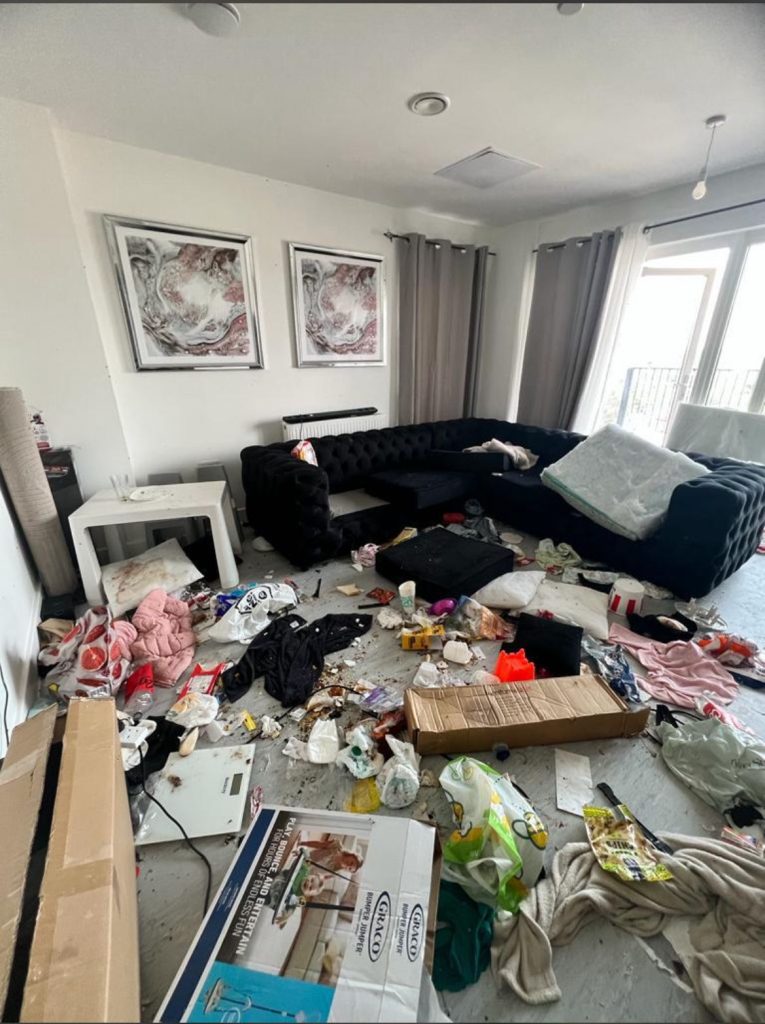
Forcibly clearing a house is often referred to as a ‘blitz clean’ and is sometimes organised by a local council department in order to clear a house quickly. These forceful expulsions evoke a lot of trauma. Removing an individual’s possessions from their life can cause a lot of trauma to the individual who feels that the items are an important part of their life. These coerced sweeps fail to address the trauma or mental issue that is contributing to the hoarding and so there is a very low success rate. The rooms are emptied only for a matter of months later to be full again.
Home interventions need to be sensitive and patient paced in order to maintain the dignity of the patient, while allowing restoration and access to important parts of the house. The vision is not to rapidly dispose of things, but to promote “harm reduction” and patient safety in a gradual manner, eventually achieving progress in mental health. Effective social prescribing decluttering services must bridge the gap between waste remediation and trauma-informed mental health care.
When Link Workers Should Initiate a Home Stabilization Referral
Social prescribing link workers and care coordinators should be on the lookout for distinct types of patterns that may indicate that there is neglect. Patients experiencing extreme levels of dirt and chaos at home may fail to attend their appointments at the clinic due to the embarrassment that they feel about the dirtiness of their clothes or body. Failure to attend hospital appointments for treatment may be an indication of home problems, rather than plain old forgetfulness.
Another tell tale sign is when home care agencies or community nurses are unable to enter a home safely. If a staff member can’t get to a patient’s bed, to the bathroom or to change the dressings in a clean and hygienic way, the home care services are put on hold. Regular use of the ambulance service for minor accidents and injuries is a sign of serious environmental hazards in the house.
Grant A Smile has direct links with the surgeries and care teams in general practice around the region. Prior to any work being carried out, our team conducts an initial assessment of the site to investigate and identify any safety risks, structural instability, and biological risks. In the planning of the clearing process, we work with the patient to deal with things at a steady pace, ensuring that they are calm and engaged. Acknowledge these at-home cues and be able to activate a social prescribing decluttering service well before a housing crisis or hospital readmission has to take place.
Environmental Clearance with Psychotherapy
Grant A Smile has a unique model that pairs dedicated psychotherapeutic aftercare with the physical clearance. Getting rid of physical clutter provides breathing space, emotional care is what protects it for the long-term. People suffering from chronic hoarding, deep grief, or depressive paralysis are often in need of counseling to help them discover the cause of the house being overrun in the first place.
Ongoing emotional counseling prevents reoccurrence of the accumulation of items and decreases re-visits to clinics. Patients are given valuable household skills, organizing habits, and coping strategies that will help them deal with stress without falling into the old cycles again. This approach provides a structure for vulnerable residents to be able to occupy their home safely and independently for years to come. Our social prescribing decluttering services help people to avoid relapse through continued aftercare.
Streamlined Referrals & Commercial Cleaning Partnership
Mental health trusts and community nursing teams can refer patients directly through our streamlined intake system. To learn more about connecting your primary care network with our decluttering services visit our website today.
Feel free to contact us if you or a loved one is in need of trauma informed de cluttering or if you have any questions.