Care workers and visiting nurses face a balancing act when entering a highly cluttered home. While your main goal is to keep the client safe and ensure they can move freely, standard risk checklists often cause vulnerable individuals to shut down completely. This is why taking a gentler approach helps you make real progress instead.
By applying a trauma-informed mindset, you can observe the environment safely without causing alarm. A successful hoarding intervention starts long before any physical cleanup begins, as building trust early on can create lasting change. Most importantly, the goal is to protect the person while respecting their personal space and attachments.
The Invisible Tightrope of Home Visits
Clients often feel anxious when a professional enters their private space because their belongings provide a deep sense of comfort and security. Having a stranger walk through the front door can feel overwhelming. To the point that even if you are there only to ensure safety and function, the resident might still feel threatened.
Moving too fast is the most common reason a hoarding intervention fails. Because of this, we must approach these visits with extreme care and patience. Simple actions like taking sudden notes or acting shocked will instantly break their trust.
Calmly observing and having a steady conversation will work much better to keep the client comfortable. In fact, you can gather all the necessary facts just by sharing a simple cup of tea. Clients respond very well to care workers who treat their home with respect. These small steps build the foundation for a much safer living space.
Understanding the Fear of Losing Control
Many individuals with cluttered homes have experienced loss or trauma in the past. To them, these gathered items act as a barrier against emotional pain. Asking someone like this to part with their belongings can cause intense anxiety. It is important for professionals to recognize this situation during their visit.
Making rapid changes strips away the client’s sense of control. Giving them a say in the process empowers them to make positive choices. Allowing the client to guide the conversation shows that you value their personal feelings, and building this mutual respect is good for long term stability.
Mentally Mapping the Home for Hazards
Practicing mental mapping during your casual visit works much better than carrying a physical clipboard. Walking around with official forms makes the visit feel like an inspection. Casual chats in the hallway or living room can reveal plenty, allowing you to easily note things down later, such as if the main exits are blocked by heavy items.
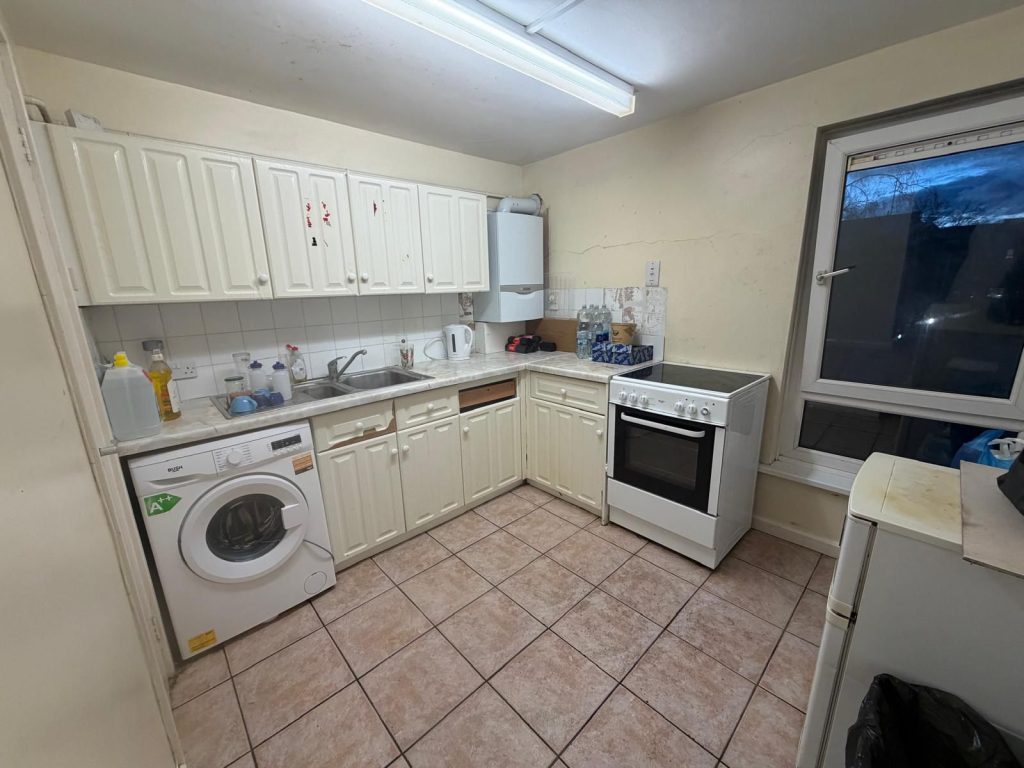
Checking to see if the client can reach their bed safely is another step you can take mentally. Sometimes asking for a glass of water helps you subtly check the kitchen space. This natural action lets you observe if the sink and stove are clear for daily use or not.
You might also ask to use the bathroom to check for hygiene. Things like these provide clues about their living conditions without causing any alarm. All of this mental data will help you plan a proper hoarding intervention for them.
How to Subtly Use the Clutter Scale
The official Clutter Image Rating Scale is a highly useful visual tool for care workers. Professionals use this scale to grade the severity of a home accurately without needing written notes. You can review the pictures in the scale before you arrive at the property to help match the room to a specific number later.
Level one means the home is safe and fully functional for the resident to enjoy. Moving up the scale indicates blocked pathways and unusable living spaces that need attention. Eventually, reaching level four or five points to a severe risk of fire or serious injury.
You can save the diagnosis for a later team discussion once you leave the home. Memorizing the images allows you to accurately report the situation to your team afterward. This step ensures everyone understands the exact level of support required to help the client.
The Right Words to Build Confidence
The words you choose will dictate the success of any hoarding intervention. Terms like junk and trash carry heavy stigma and cause defensiveness. You will get much better results by using neutral and respectful language instead. Referring to their items as collections or personal belongings shows respect for their feelings.
You can frame your suggestions around their personal comfort and lifestyle goals to make the process collaborative. Asking if they would like help clearing a path to the kettle sounds very supportive. Suggesting we make the hallway safer for walking feels highly encouraging. Overall, gentle phrasing keeps the client engaged and open to receiving outside help.
Focusing on Everyday Safety Goals
Keeping the conversation focused on safety removes the feeling of judgment from the visit. You can talk about preventing falls or making it easier for paramedics to enter in an emergency. Linking the clearance of a hallway to their safety makes the goal logical. Clients often agree to clear a pathway when they understand the necessity behind it.
You might ask them how they feel about the space around their favorite chair. Offering to move a few items to give them more elbow room is a great start to building trust. These tiny agreements build momentum for larger clearing tasks, and every small victory helps the client realize that letting go brings positive comfort.
Suggesting Next Steps Smoothly
Eventually, you can gently suggest a social worker referral for extra daily support. Framing this referral as an addition to their care team makes it feel safe rather than punitive. A soft approach keeps the door open for professional cleaners to step in later, ensuring the client feels like they are gaining a loyal support system.
Explain that there are specialized teams who only want to help them live comfortably and safely. Assure them that these professionals only remove items with permission from the homeowner. Making these promises helps calm their nervous system and lowers their protective walls.
Building a Path Forward
Assessing a home relies on building trust and prioritising safety. Taking a slow approach protects the client from unnecessary harm. And dedicating your time to understand their needs leads to much better outcomes. When the time comes for a formal hoarding intervention, partnering with the right experts makes all the difference.
Care coordinators and local authorities can rely on Grant A Smile for these sensitive jobs. If you have a client in need, reach out to us today!