Working with extreme levels of self-neglect and hoarding under the Mental Capacity Act 2005 is challenging for safeguarding professionals. Under Section 1(2), the law assumes an adult has decision-making capacity unless proven otherwise. The person may be able to talk about their situation clearly during an interview or when spoken to from a doorstep.
They will be able to discuss fire hazards, the importance of maintaining clear hallways and good hygienic habits. But this clarity often disappears after entering their property. The person can’t perform basic household safety because of their executive dysfunction complicates severe hoarding behaviors.
It may be one of the most challenging safeguarding issues posed by the Care Act 2014, as a person can understand what needs to be done with regards to daily safety in a hoarding context, but may still not be able to do it.
Moving Past Doorstep Checks to Real Action
In assessing daily risk, caseworkers must be attuned to the fact that it is not going to be a smooth conversation. Decisional capacity is the ability to make a safe choice while executive capacity is the ability to carry out that decision safely in practice.
Traditional question-and-answer interviews do not capture the actual dangers that are occurring at home because a verbal response hides the physical inability to manage chronic hoarding. Observational assessment within the actual living area is needed for frontline staff. You can do it indirectly by requesting the person to heat some soup, get their daily medications or open up the back door.
Watching small tasks like these will highlight the actual hurdles. This practical approach provides clear evidence to support Section 42 safeguarding files for severe hoarding cases without any strict deprivation of liberty safeguards.
Finding the Least Restrictive Safety Balance
It is important that all action taken is in line with section 1(6) of the Mental Capacity Act 2005. This rule requires that, of all the options for the action under statute, the least restrictive option for the person’s rights and personal freedom be used.
The two common pitfalls of the typical public agency response are to either overreact or underreact. The first pitfall is leaving the person in dangerous filth under the label of an unwise choice. The other is trying to get rid of the hoarding clutter as fast as possible, in an aggressive manner that terrifies the individual.
In the context of a fluctuating capacity hoarding intervention, the least restrictive measure is never an aggressive clear-out. Forcing them to strip a property will cause severe mental distress and very often prompt an immediate re-start of self-neglect and hoarding. Instead, frontline workers need partners who design each fluctuating capacity hoarding intervention around objective fire-path clearance and in micro-steps instead of forcing a surrender of all assets. Staged practical support allows for the person’s dignity to be maintained whilst gradually reducing statutory hoarding hazard scores over time.
Coordinated Fieldwork and Staged Home Support
This work requires close collaboration between the social workers, safeguarding leads, and specialist cleaning companies experienced in compulsive hoarding. Grant A Smile works with adult social care teams throughout the process. This starts by setting a baseline for home safety. And instead of trying to achieve a show-home look, the team focuses on things like clearing exits and freeing up cooking surfaces in complex hoarding environments.
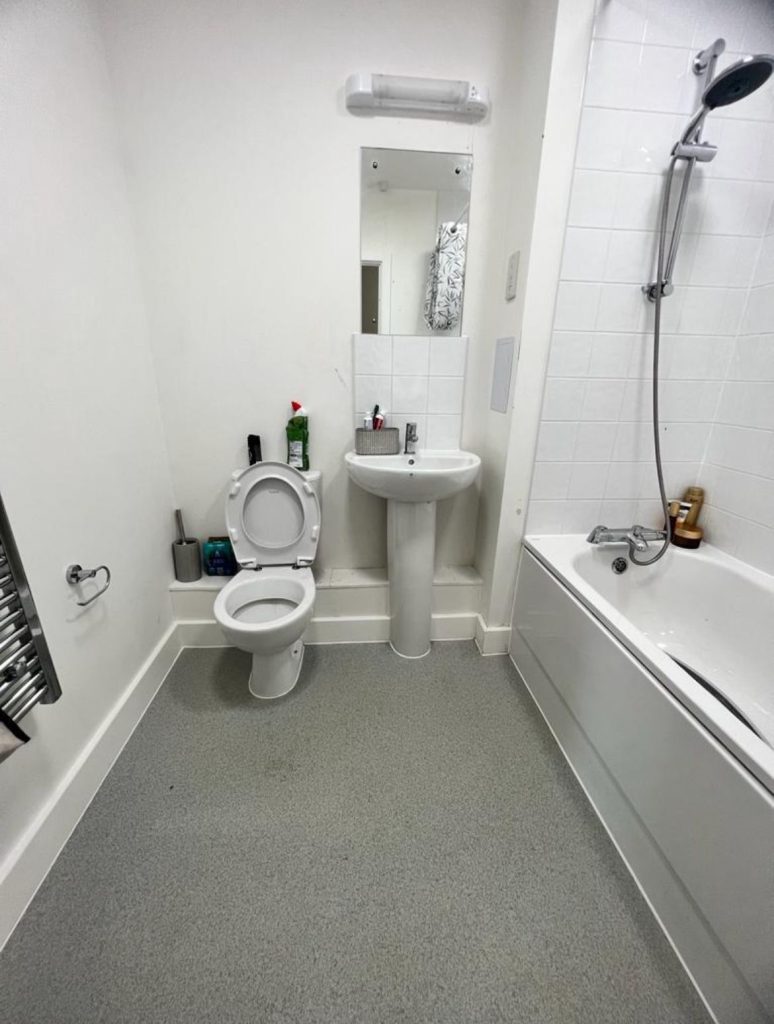
On physical visits, trained specialists observe the person’s energy level and adapt to them to alter how long the session will last. When the person feels fatigued and overworked, the speed is reduced to safeguard their mental health.
Work notes, pictures, and safety checks are recorded daily as social work records. This is an effective multi-agency casework which ensures that the limits for safety in every fluctuating capacity hoarding intervention events are agreed in advance
Preventing Relapse with Therapeutic Aftercare
To meet the legal safeguarding requirement, physical clean up is only half of the solution. If therapeutic support is not provided on an on-going basis, then compulsive hoarding habits will resume, and all the work will be lost.
With our specialist services, Grant A Smile offers hands-on property recovery with up to two years of regular psychotherapeutic check-ins. These carefully facilitated emotional discussions assist individuals to recognise the underlying grief or trauma that might be impacting their hoarding disorder.
Maintaining emotional stability helps to preserve budgets in the local authority sector by eliminating reoccurring court actions, housing enforcement notices, and emergency re-housing. A fluctuating capacity hoarding intervention is only effective for a short period of time and then reverts to a rapid relapse if the root cause of the hoarding is left unaddressed.
How to Refer and Create Community Impact
Adult social care teams, housing officers, and safeguarding panels can partner with our trained field teams today. To discuss a Section 42 enquiry or refer a client for a fluctuating capacity hoarding intervention, contact our team directly.
We are also open to corporate partners wishing to make a difference for social good with their everyday business expenditure. Grant A Smile is a Community Interest Company which means that all profits generated from our commercial cleaning services goes towards our community projects which we offer free of charge. We also provide special treats for young children caring for ill parents to give special memories.